Introduction
Delta Flight DL275, operated by Delta Air Lines, was a scheduled long-haul international flight from the United States to Japan when it unexpectedly changed its route mid-air. While cruising over the Pacific Ocean, the crew received a technical alert that required immediate attention and a safety-based decision.
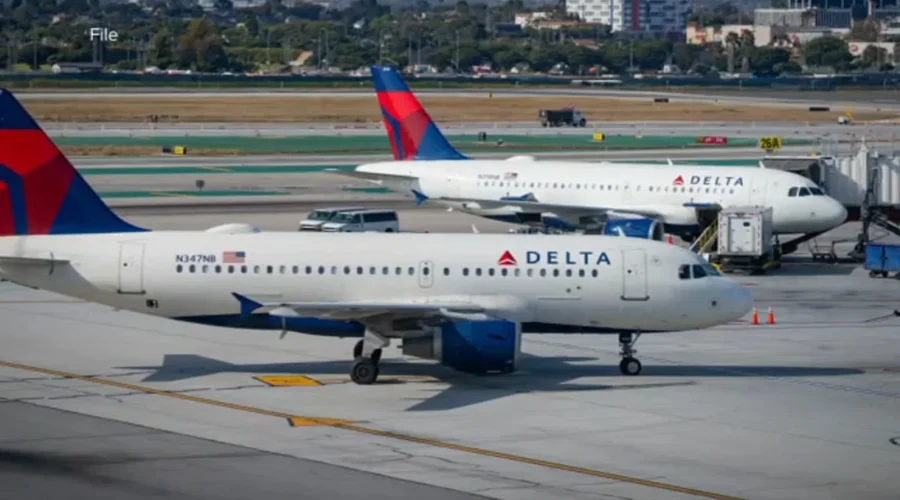
Instead of continuing toward its destination in Tokyo, the aircraft diverted and safely landed at Los Angeles International Airport (LAX). The situation was not a crash or emergency landing, but a precautionary diversion to ensure passenger safety and allow proper technical inspection.
Flight Route, Aircraft Type & Operational Context
The flight was part of a long-range transpacific route operated by Delta Air Lines, connecting North America with Asia. These flights typically use wide-body aircraft designed for long-distance ocean crossings, advanced navigation systems, and strict fuel and safety planning.
Flying over the Pacific Ocean is one of the most challenging aviation environments because diversion airports are limited. This is why even small technical alerts are taken seriously, as the aircraft must always remain within safe operational range of emergency landing options.
Mid-Air Technical Alert and Pilot Response
During the flight, the cockpit crew received a system warning related to aircraft performance monitoring. Although the issue did not indicate an immediate failure, it was serious enough to require precautionary action under aviation safety rules.
The pilots followed standard international aviation procedures and decided to divert the aircraft. This decision is part of trained safety protocol, ensuring that even potential risks are addressed before they can develop into larger issues during long overwater flights.
Technical Reason Behind the Diversion
The reported concern was linked to an engine safety system, commonly associated with anti-ice functionality. This system prevents ice formation on engine components during high-altitude flight, especially over cold oceanic regions.
Even a minor malfunction or warning in this system can significantly increase operational risk during long flights. Because of this, the aircraft was not allowed to continue to Japan and instead required immediate inspection on the ground to confirm full system reliability.
Why Los Angeles (LAX) Was Selected
The diversion to Los Angeles International Airport was a strategic decision rather than a simple geographical choice. While other airports may have been closer, LAX was selected due to its strong maintenance capability and full support infrastructure for Delta Air Lines aircraft.
LAX also offers specialized engineering teams, spare parts availability, and passenger handling services, which makes it ideal for handling unexpected technical diversions. This ensures faster repairs and smoother recovery operations for both the aircraft and passengers.
Passenger Experience and Airline Handling
Passengers onboard experienced an unexpected change in flight plan, which included extended flight duration and uncertainty during the diversion announcement. However, the cabin crew maintained calm communication and followed strict safety procedures to ensure passenger comfort.
After landing, Delta provided standard disruption support, including rebooking assistance, meal arrangements, and hotel accommodation for affected travelers. While delays were inconvenient, the airline’s response helped minimize disruption and ensured passengers could continue their journeys safely.
Aircraft Inspection and Maintenance After Landing
After arriving at Los Angeles International Airport, the aircraft underwent a detailed technical inspection by maintenance engineers. The purpose was to identify the exact cause of the system warning and confirm that all safety systems were functioning correctly.
Such inspections are a mandatory part of aviation safety regulations. Even if the issue turns out to be minor, airlines must fully verify aircraft airworthiness before allowing it to return to service. This process ensures long-term reliability and passenger safety.
Aviation Safety Perspective: Why Diversions Are Normal
Flight diversions like DL275 are part of standard aviation safety operations. In long-haul international flights, especially over oceans, pilots must make quick decisions when any technical alert appears, because emergency landing options are limited.
Modern aviation systems are designed to prevent risks before they escalate. This means even non-critical alerts can lead to diversions. While inconvenient, these actions are a key reason why commercial aviation remains one of the safest modes of transport globally.
Public Reaction and Media Coverage
The DL275 diversion gained attention due to its international route and mid-Pacific location. Social media discussions often highlighted the unexpected nature of the diversion, but aviation experts clarified that the situation was controlled and safety-driven.
Media reports emphasized that there was no emergency landing or danger to passengers. Instead, it was a precautionary decision made under strict aviation safety guidelines, reflecting normal airline operational procedures.
Conclusion
The diversion of Delta Flight DL275 was a precautionary safety measure triggered by a technical system warning during a long-haul transpacific flight. Operated by Delta Air Lines, the aircraft safely landed at Los Angeles International Airport for inspection and maintenance.
Overall, the incident demonstrates how modern aviation prioritizes safety above all else. Even minor technical alerts are treated seriously, ensuring passengers remain protected throughout every stage of flight.
FAQs
1. What caused the Delta DL275 diversion?
A technical system warning related to engine safety monitoring.
2. Was the flight in danger?
No, it was a precautionary safety decision, not an emergency.
3. Why did the plane land in Los Angeles?
Because LAX has strong maintenance and Delta support facilities.
4. Were passengers safe?
Yes, all passengers landed safely without injury.
5. Is this type of diversion common?
Yes, long-haul flights sometimes divert for technical safety checks.