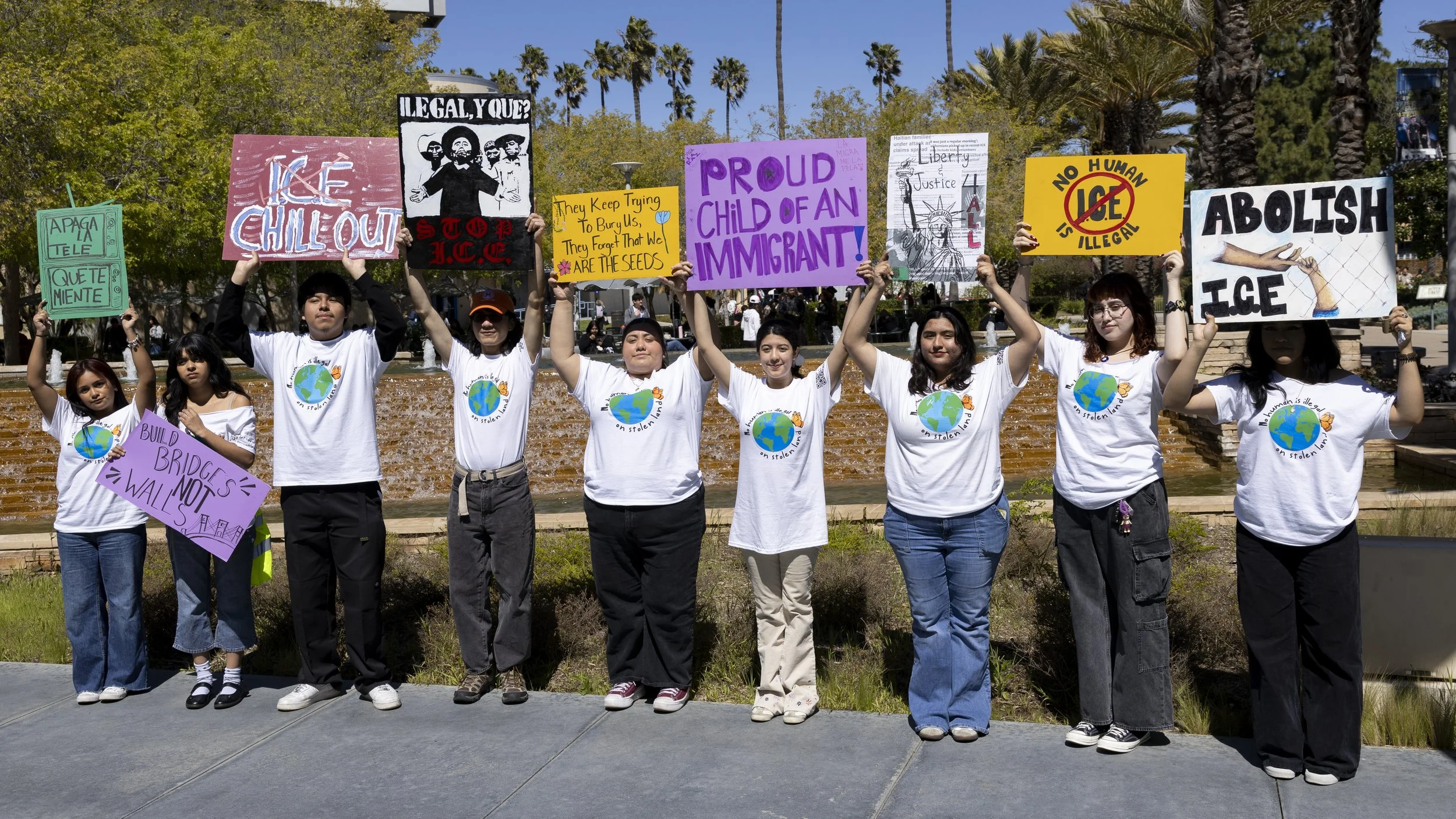
Immigration and Customs Enforcement (ICE) is a federal agency in the United States that handles immigration law enforcement. It was created in 2003 under the Department of Homeland Security and is responsible for identifying, detaining, and deporting individuals who are in the country without legal authorization. ICE also deals with border-related investigations and internal enforcement operations.
Many critics argue that ICE policies can be strict and harmful, especially for immigrant families. Concerns include deportation of long-term residents, separation of families, and conditions in detention centers. These issues have led to widespread protests and the rise of anti-ICE movements across different cities.
Why Anti-ICE Protests Take Place
Anti-ICE protests happen because many people believe immigration enforcement practices need reform or complete change. Activists argue that current policies often create fear in immigrant communities and affect people who have lived in the country for many years without legal status.
These protests also respond to specific events, such as raids or policy announcements. Demonstrators gather to demand fair treatment, humane immigration laws, and protection of family unity. Protest signs play a major role in expressing these demands in a clear and visible way.
The Importance of Protest Signs in Demonstrations
Protest signs are one of the most powerful tools in any public movement. They allow people to communicate strong messages quickly without needing long speeches. In large crowds, signs help unify voices and create a shared identity among protesters.
In anti-ICE demonstrations, signs are especially important because they turn complex legal and political issues into simple phrases. These messages can be understood instantly by the public, media, and policymakers, making them a key part of activism.
Common Messages Found on Anti-ICE Signs
Anti-ICE protest signs usually carry short and direct slogans. Some of the most common messages include “Abolish ICE,” “No Human Is Illegal,” and “Families Belong Together.” These phrases reflect opposition to deportation policies and emphasize human dignity.
Other signs focus on community safety and immigrant rights. Messages like “ICE Out of Our Communities” or “Protect Our Neighbors” highlight concerns about fear and disruption in everyday life caused by enforcement actions.
Emotional and Human Rights Themes
Many protest signs are designed to express emotion and personal struggle. Phrases such as “My Family Is Not a Crime” or “We Deserve to Stay Together” show the human impact of immigration policies. These messages help people understand the emotional side of the issue.
Human rights themes are also very common. Signs like “No Human Is Illegal” emphasize that all people deserve respect regardless of immigration status. This framing turns the protest into a broader discussion about dignity and equality.
Creative and Attention-Grabbing Sign Designs
Some anti-ICE signs use humor, wordplay, or creativity to capture attention. Examples include “End the ICE Age” or “No Secret PolICE.” These types of slogans are designed to be memorable and often spread quickly on social media.
Visual creativity is also important. Protesters sometimes use melting ice illustrations, broken chains, or symbolic artwork. These designs help communicate messages even without reading the text, making the signs more powerful and shareable.
Visual Style and Symbolism in Protest Signs
Anti-ICE protest signs are usually handmade, which gives them a personal and grassroots feel. Bold lettering is commonly used so messages can be read from a distance during large gatherings. Bright colors like red, black, and neon shades are often chosen for impact.
Symbolism plays a major role as well. Ice cubes melting represent opposition to ICE policies, while broken chains symbolize freedom and resistance. These visual elements help strengthen the emotional and political meaning of each sign.
Role of Social Media in Spreading Protest Messages
Social media has greatly increased the influence of protest signs. A single powerful image can be shared worldwide within minutes, allowing messages from local protests to reach global audiences. This helps movements gain support beyond physical gatherings.
Platforms like Twitter, Instagram, and TikTok often amplify creative or emotional signs. When a sign goes viral, it can shape public opinion, influence news coverage, and bring more attention to immigration issues.
Public Debate and Different Perspectives
Anti-ICE protest signs are part of a larger political debate. Supporters of the movement believe that immigration enforcement should be more humane and that ICE practices often harm families and communities. They call for reform or abolition of the agency.
On the other hand, critics argue that ICE is necessary for enforcing immigration laws and maintaining border security. They believe that changes should be made carefully to avoid weakening law enforcement systems. This disagreement continues to shape national discussions.
Conclusion
Anti-ICE protest signs are more than simple pieces of cardboard with words. They represent strong emotions, political opinions, and human experiences related to immigration. Each sign carries a message that contributes to a larger national conversation.
Whether emotional, creative, or direct, these signs play a key role in activism. They help people express their views, raise awareness, and influence public debate about immigration policies and human rights.
FAQs
1. What are anti-ICE protest signs used for?
They are used in demonstrations to express opposition to ICE policies and support immigrant rights, often through short and powerful slogans.
2. What does “Abolish ICE” mean on protest signs?
It is a demand to completely eliminate ICE, based on concerns about how the agency enforces immigration laws.
3. Why are protest signs important in activism?
They allow messages to be quickly understood, widely shared, and visually impactful during demonstrations and media coverage.
4. Do all anti-ICE signs show anger or protest?
No, many signs are emotional, creative, or focused on human rights rather than anger, showing a range of perspectives.
5. How does social media affect protest signs?
Social media helps spread images of protest signs globally, increasing awareness and influencing public discussions about immigration issues.