Introduction
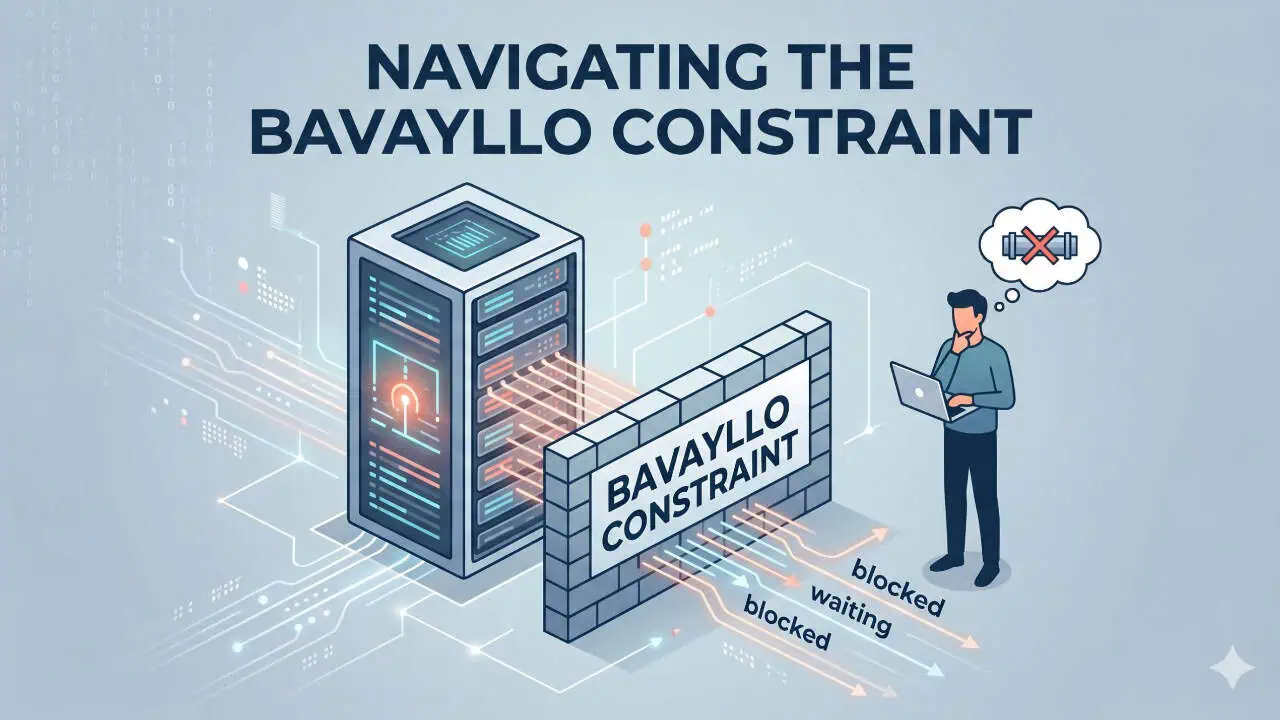
The concept of a constraint on Bavayllo refers to the limitations or restrictions that affect how the Bavayllo system performs in real-world conditions. Like any digital or software-based system, Bavayllo is designed to process data, manage workflows, and deliver results efficiently, but it cannot operate without boundaries. These boundaries are what we call constraints, and they determine how fast, stable, and scalable the system can be.
In modern computing environments, understanding constraints is very important because they directly influence performance and user experience. When constraints are not properly managed, they can slow down operations, reduce accuracy, and even cause system failures. Therefore, studying Bavayllo’s constraints helps in improving its design, optimizing its output, and making it more reliable for long-term use.
What is Bavayllo?
Bavayllo is generally understood as a structured digital framework or system used for handling complex processes such as data management, automation, and operational workflows. It may involve multiple interconnected modules that work together to complete tasks efficiently. Because of its complexity, it depends heavily on system resources, algorithms, and infrastructure support.
However, no system is perfect, and Bavayllo also operates within certain technical and operational limits. These limits define what the system can and cannot do under specific conditions. When the workload increases or resources become limited, these boundaries become more visible, leading to performance issues or delays.
Meaning of Constraint on Bavayllo
A constraint on Bavayllo means any factor that restricts or reduces the system’s ability to perform at its full potential. These constraints can come from hardware, software, data, or even user interaction patterns. In simple terms, they act like barriers that slow down or limit system operations.
These limitations are not always negative because some constraints are intentionally placed to improve security, stability, or control. However, when constraints become too strong or poorly managed, they can negatively impact the system’s efficiency and responsiveness.
Technical Constraints
Technical constraints are related to the internal structure and coding of the Bavayllo system. These include limitations in processing power, algorithm efficiency, API usage, and software design. If the system architecture is not well optimized, even simple tasks may take longer to complete.
In many cases, technical constraints arise from outdated code, inefficient logic, or lack of scalability in the system design. These issues can cause delays, reduce performance, and create bottlenecks when the system is under heavy load.
Infrastructure Constraints
Infrastructure constraints come from the physical and virtual resources that support Bavayllo. This includes servers, storage systems, network connections, and cloud services. If any of these resources are weak or overloaded, the entire system performance is affected.
For example, slow internet bandwidth or limited server capacity can cause delays in data processing and response time. Even if the software is highly optimized, poor infrastructure can still create serious performance limitations.
Data Constraints
Data constraints occur when the system faces issues related to input, storage, or processing of data. This includes incomplete data, large datasets, incorrect formats, or slow database queries. Since Bavayllo relies heavily on data flow, any disruption in data handling can affect overall performance.
When data is not properly structured or exceeds system capacity, it can cause slow processing and errors. Therefore, efficient data management is essential for maintaining smooth system operations.
Operational Constraints
Operational constraints are related to how the system is used and managed in real environments. These include access restrictions, workflow rules, scheduling limits, and administrative controls. Such constraints are often applied to maintain security and order within the system.
Although operational constraints help in controlling system behavior, they can sometimes reduce flexibility. For example, limited user permissions or strict workflows may slow down processes or reduce system adaptability.
Performance Constraints
Performance constraints directly affect the speed and responsiveness of Bavayllo. These constraints become visible when the system is under heavy load or processing multiple tasks at the same time. Slow execution, delayed responses, and inefficient resource usage are common signs of performance issues.
When performance constraints are not managed properly, they can lead to system bottlenecks. This reduces overall efficiency and may also impact user satisfaction.
Security Constraints
Security constraints are designed to protect the Bavayllo system from unauthorized access, data breaches, and cyber threats. These include authentication systems, encryption methods, and firewall protections.
While security constraints are essential, they can sometimes slow down system performance. For example, encryption and verification processes may increase processing time, especially in high-volume systems.
Causes of Constraints on Bavayllo
Constraints in Bavayllo arise due to several reasons, including poor system design, limited resources, and increasing user demand. When a system is not built to scale properly, it becomes difficult to handle large workloads efficiently.
Another major cause is inefficient coding or outdated technology. External dependencies such as third-party services can also introduce delays and restrictions, further increasing system constraints.
Impact of Constraints on Bavayllo
The impact of constraints can be significant if not properly managed. They can reduce system speed, limit scalability, and cause delays in processing tasks. In some cases, they may even lead to system crashes or failures.
Users may experience slow performance, reduced accuracy, or interrupted services. Over time, this can affect trust in the system and increase maintenance costs.
How to Reduce Constraints on Bavayllo
Reducing constraints requires a combination of optimization, scaling, and regular maintenance. Improving system architecture and using efficient algorithms can significantly enhance performance.
Upgrading infrastructure, using cloud-based solutions, and balancing workloads also help in reducing system limitations. Regular updates and performance monitoring ensure that constraints are identified and resolved early.
Conclusion
A constraint on Bavayllo represents any limitation that affects the system’s efficiency, speed, or scalability. These constraints can be technical, infrastructural, operational, or related to data and security. While they are a natural part of any complex system, understanding and managing them is essential for maintaining performance.
By identifying and reducing constraints, Bavayllo can become more stable, efficient, and capable of handling larger workloads in the future.
FAQs
1. What does constraint on Bavayllo mean?
It means any limitation or restriction that affects the performance or functionality of the Bavayllo system.
2. What are the main types of constraints?
The main types include technical, infrastructure, data, operational, performance, and security constraints.
3. Why do constraints occur in systems like Bavayllo?
They occur due to limited resources, system design issues, high workload, or inefficient processes.
4. Can constraints be completely removed?
No, but they can be reduced through optimization, better infrastructure, and regular system improvements.
5. How do constraints affect users?
They can cause slow performance, delays in processing, and reduced system reliability, affecting user experience.